EV Salary Sacrifice in 2026: The Ledger, Not the Brochure
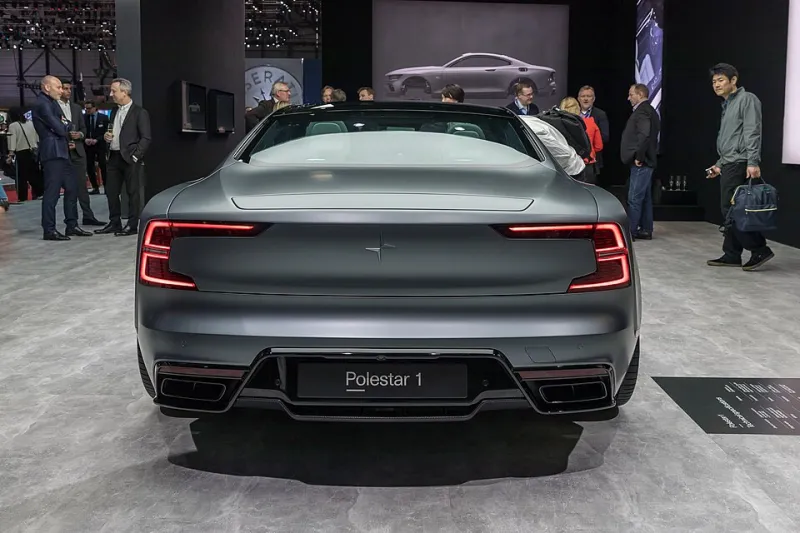
Photo: Matti Blume, CC BY-SA 4.0, via Wikimedia Commons
Salary sacrifice has a reputation problem. On one side, lease brokers describe it as free money. On the other, sceptics point out that you are still paying for a car. The truth in 2026 sits in the middle: it is a tax-efficient way to fund an electric lease, but only if the numbers survive contact with your actual mileage, charging arrangements and pay grade.
Here is the ledger view, without the brochure language.
The three levers that decide the deal
Every salary sacrifice EV lease comes down to three things:
- The salary you give up, which saves income tax and employee National Insurance.
- The Benefit-in-Kind charge on the car, which adds taxable income back.
- The employer National Insurance saving, and whether your employer passes any of it on.
At the time of writing, zero-emission company car tax is 4% for the 2026/27 tax year. Employee NI is 8% on the main rate, and employer NI is 15%. Those rates matter because they set the size of the discount.
BiK in plain English
Benefit-in-Kind is not a fee. It is a taxable benefit. For a zero-emission car, take the P11D value, multiply by 4%, and that is the amount added to your taxable income for the year.
On a £40,000 EV, the taxable benefit is £1,600. A basic-rate taxpayer pays 20% of that, or £320 a year. A higher-rate taxpayer pays 40%, or £640. There is no employee National Insurance on a company car benefit. The employer pays Class 1A NI at 15% on the same £1,600, which is £240.
That is the foundation. Everything else is arithmetic.
Worked example: basic-rate driver, £40,000 EV
Imagine a salary of £45,000 and a sacrifice of £5,000 a year. The employee gives up £5,000 of gross pay.
Income tax saving at 20%: £1,000. Employee NI saving at 8%: £400. Total saving: £1,400. BiK tax on the £40,000 EV: £320. Net cost to the employee: £5,000 minus £1,400 plus £320 = £3,920 a year, or about £327 a month.
Now add the employer. The employer saves 15% NI on the £5,000 sacrificed, which is £750, but pays £240 Class 1A on the car benefit. Net employer saving: £510. If the employer passes all of that back, the employee's net cost falls to £3,410 a year, or roughly £284 a month.
That is the number to compare with a personal lease quote. If the personal lease is £450 a month for a similar car, salary sacrifice is clearly ahead. If the scheme adds a £30 monthly admin fee and the employer keeps the NI saving, the gap narrows fast.
Worked example: higher-rate driver, £45,000 EV
Take a £60,000 salary, a £6,000 annual sacrifice and a £45,000 EV. The BiK charge is 4% of £45,000, or £1,800. Higher-rate tax on that is £720.
The employee saves 40% income tax on £6,000, or £2,400, plus 8% NI, or £480. Total saving: £2,880. Net cost: £6,000 minus £2,880 plus £720 = £3,840 a year, or £320 a month.
The employer saves £900 in NI but pays £270 Class 1A, leaving £630. If that is passed on, the cost drops to £3,210 a year, or about £268 a month. For a higher-rate taxpayer with a home charger, that is usually the strongest version of the deal.
Scottish taxpayers have different income tax bands, so the percentages will differ. The shape of the calculation is the same.
Charging costs can rewrite the answer
A salary sacrifice lease is only half the cost. The other half is what you put in the battery.
Home charging on an off-peak tariff at around 7p per kWh, with an EV doing 3.5 miles per kWh, works out at about 2p per mile. At 10,000 miles a year, that is roughly £200. Public rapid charging at 79p per kWh is about 22.6p per mile, or £2,260 over the same distance.
That is not a small difference. If you have a driveway and a cheap overnight tariff, the tax saving survives. If you rely on motorway rapid chargers every week, the fuel saving you expected can disappear. Workplace charging, free destination chargers and a realistic mileage estimate all need to be in the spreadsheet.
When the numbers do not work
Salary sacrifice is not a universal win. It is weaker if you are a low-mileage driver, if you cannot charge cheaply, or if the scheme fee is high. It is also a commitment. If your job changes, early termination can be expensive. Sacrificing salary reduces pensionable pay in many schemes, and it can affect mortgage affordability because your payslip shows less income.
There is also the National Minimum Wage floor. You cannot sacrifice pay below the legal minimum. And if the sacrifice pushes you close to a tax band threshold, the marginal saving can be smaller than the headline rate suggests.
The 2026 verdict
An EV salary sacrifice lease can still be worth it in 2026, but not because it is free money. It is worth it when three conditions line up: you pay enough tax to make the sacrifice valuable, you can charge at home or work for a sensible price, and your employer passes on at least some of the NI saving.
Run the ledger before you sign. Compare the net cost after tax, NI, BiK, employer pass-through, charging and admin fees against a personal lease. If the salary sacrifice route is £50 a month cheaper, fine. If it is £50 a month more expensive because you are stuck on public chargers, walk away. The maths is the marketing.