Bolts, Brackets and the Handback Bill: Fitting Out a Leased Van Without Funding the Repair
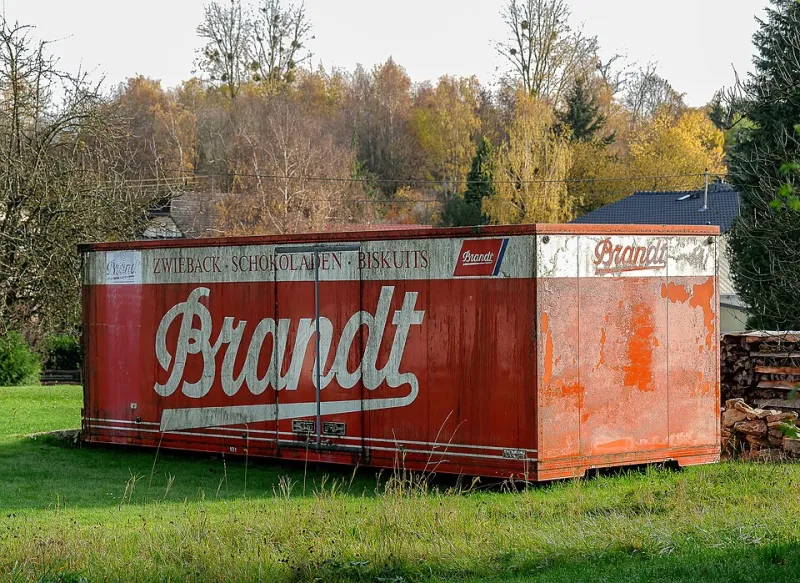
Photo: Rolf Kranz, CC BY-SA 4.0, via Wikimedia Commons
A leased van arrives as a working blank. You need shelving, a false floor, maybe a vice and a couple of conduit runs. The temptation is to get the drill out on a Saturday morning and make it yours. The problem is that it is not yours. Under most UK contract hire agreements, the van goes back to the funder at the end of the term, and the funder's inspector will look at every bolt hole with the same question: is this fair wear, or is this a modification we have to put right?
Where fair wear stops and a modification starts
Fair wear is the ordinary deterioration you would expect from careful use. Stone chips, light scuffs to the load floor, worn pedal rubbers and a few marks on the door shuts are routine. A modification is a deliberate change to the vehicle's structure, trim or equipment that was not part of the manufacturer's build. Drilling into the floor, cutting ply to fit around wheel arches, bonding a bulkhead to the factory panels, or running self-tapping screws through the wheel arch liners all sit on the modification side of the line. The BVRLA's fair wear and tear guide is the usual reference point, but the contract wording matters more. Some funders allow reasonable racking if it is removed cleanly; others treat any hole as chargeable damage, full stop.
The consent letter that saves the deposit
Before you drill anything, ask the funder in writing. Not the broker, not the salesperson, not the bloke in the workshop who says it will be fine. The funder owns the van, so the funder gives permission. Put the request in plain terms: what you want to fit, how it will be fixed, whether it can be removed without trace, and who pays for removal at handback. A short email chain is enough, but it needs to be specific. 'Can I rack it out?' is not consent. 'Can I fit a removable ply floor using the manufacturer's existing tie-down points, with no new holes in the bodywork?' is the kind of question that gets a useful answer. If the funder says yes, keep the reply with the vehicle file. If the answer is no, you have saved yourself a bill.
Removable racking versus the permanent fit
The safest fit-out is the one that uses the van's existing mounting points. Many panel vans have factory tie-down rings, seat belt anchorages or floor lashing points that can take a racking frame with the right brackets. A removable ply floor that sits on the existing floor, edged with rubber and held by the van's own load restraints, is easier to take out than a screwed-down deck. If you need something more substantial, ask the converter to use rivnuts or plusnuts rather than self-tapping screws. They spread the load, they are less likely to crack the floor pan, and they can be filled and sealed at removal. The worst option is a permanent bulkhead bonded and bolted to the body. That is not a fit-out; that is a structural change, and the funder will almost certainly want it reversed.
Ply-lining, floor bolts and the 30-minute test
Ply-lining is a common flashpoint because it hides what is underneath. A funder's inspector will not remove a full ply kit to check the floor, but they will look for screw heads, sealant lines and any sign that the lining has been cut around factory fixtures. If you line the van, keep the invoice and the fitting instructions. At handback, a clean removal matters more than a perfect floor. Before you sign the lease, ask yourself a simple question: could a competent fitter take this out in half an hour without leaving a hole bigger than a 5p piece? If the answer is no, you are probably buying the drill holes.
A handback checklist for small fleets
First, photograph the fit-out before removal, including every fixing point. Second, get a written quote for removal and make-up before the van goes back. Third, check the funder's return standards for 'modified' vehicles, not just the general wear guide. Fourth, keep any consent emails with the service history. Fifth, if you are part-exchanging or extending the lease, tell the funder what is fitted before the inspection is booked. A small fleet with three vans can easily lose more in deductions than it saved on a cheap racking kit. The aim is a working van that goes back without a debate, not a workshop that travels with the vehicle.
The working van that doesn't cost you the drill holes
Racking is not the enemy. Badly planned racking is. Use the van's own mounting points where you can, get written consent where you cannot, and treat every new hole as a future line on the damage schedule. A leased van can still be a proper workspace. You just need to fit it out like a borrower, not an owner.