The Mileage Cap That Fits: Modelling Your Lease Before the Pence Per Mile Bites
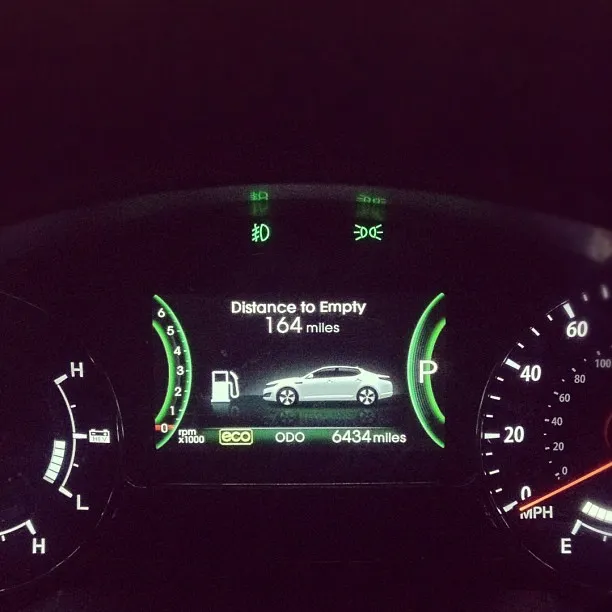
Photo: Tony Webster, CC BY-SA 3.0, via Wikimedia Commons
Most lease quotes lead with the monthly rental. The mileage cap sits underneath in smaller print, and it is where a lot of drivers quietly lose the savings they thought they had made. Pick too low and you write a cheque at handback. Pick too high and you pay every month for miles you never drive. The trick is not to guess the perfect number. It is to model the break-even point and leave yourself a sensible buffer.
The cap is a bet, not a footnote
A contract hire agreement is priced around expected mileage. Higher caps usually mean a higher monthly rental because the funder expects the vehicle to be worth less at the end. Lower caps look cheaper on the quote, but they transfer risk back to you in the form of excess-mileage charges. Neither is automatically better. The right answer depends on how close your real annual mileage is to the cap, and how expensive the excess rate is.
Start with three numbers, not a guess
Before you compare deals, get three figures straight.
First, your realistic annual mileage. Dig out the last 12 months of MOT records, service invoices, fuel-card statements or a mileage log. For a car, add the commute, school run, weekly shop, family visits and any regular weekend trips. For a van, include job sites, suppliers, callouts and the odd favour for a mate. A single busy month is not a trend.
Second, the excess pence per mile. This is the rate the funder charges for every mile over the cap. It might be 6p on a small car and 15p or more on a van. That one number changes the maths more than most drivers expect.
Third, the cost of moving up a mileage band. Ask for quotes at, say, 8,000, 10,000, 12,000 and 15,000 miles a year. The difference between bands is the price of insurance against the excess charge.
The break-even sum that stops you paying twice
Here is a simple example. A car is quoted at £289 a month for 8,000 miles, or £307 for 12,000. The upgrade costs £18 a month, or £216 a year. The excess rate is 9p per mile. Divide £216 by £0.09 and you get 2,400 miles. That is your break-even. If you expect to drive more than 10,400 miles (8,000 plus 2,400), the 12,000-mile cap is likely cheaper. If you expect less, the lower cap may win, even after a small excess charge.
The same logic works in reverse. If you forecast 9,000 miles on an 8,000-mile cap, you would pay about £90 in excess at 9p. The upgrade costs £216. Staying low looks cheaper on paper. But it leaves no room for a house move, a new client or a holiday. That is why the break-even is a starting point, not a final answer.
Commuter example: the 8,000-mile trap
A commuter drives 22 miles each way, three days a week, for 46 weeks. That is 6,072 miles before anything else. Add 2,000 miles for shopping, family and weekends and you are at roughly 8,100. An 8,000-mile cap would produce a tiny excess bill. A 10,000-mile cap is probably the calmer choice, provided the monthly step-up is modest.
Now imagine the same driver goes into the office five days a week. The commute alone becomes 10,120 miles. With personal mileage, the forecast is nearer 12,000. An 8,000-mile cap would leave 4,000 miles of exposure. At 9p that is £360, well above the £216 upgrade in the earlier example. The lower headline rental was a false economy.
Trades and vans: average hides the bad week
Van mileage is lumpier. A tradesperson might do 12,000 miles in a normal year, then win a contract 40 miles away and add 4,160 miles almost overnight. If the quote is £310 a month for 10,000 miles or £340 for 15,000, the upgrade costs £360 a year. At an excess rate of 12p, the break-even is 3,000 miles. Once the forecast passes 13,000, the higher cap is the safer bet.
Small fleets have the same problem multiplied. A pool van that averages 9,000 miles can hide one driver doing 18,000 and another doing 3,000. Set caps per vehicle or per driver, not on the fleet average. Telematics can help, but check your data-protection paperwork and tell staff what is being monitored. A mileage cap is a commercial tool, not a covert surveillance project.
Mid-term adjustments are not a safety net
Some funders allow one upward mileage adjustment during the contract, usually with an admin fee and a revised rental. Others do not, or only allow it at renewal. Read the contract before you rely on it. If you need more miles halfway through, ask for the adjustment in writing and check whether the new rate applies from the date of the change or across the whole term.
The monthly five-minute check
Once the vehicle is on the road, check the odometer on the first of every month. Work out your burn rate: miles driven divided by months elapsed, multiplied by 12. Compare that with the cap. If the projection is more than 500 miles over, call the funder early. If you are running well under, do not expect a refund at the end. Unused mileage is not usually credited back.
A cap you can defend
Choose a cap that matches your real mileage, not the one that makes the quote look tidy. Use the break-even sum, add a buffer for the unexpected, and keep a monthly eye on the odometer. Paying a little more each month for the right cap is often cheaper than paying a lot more at handback.