The Keys Are Not the Finish Line: Inspecting a Lease Vehicle Before You Sign
Photo: Dennis G. Jarvis, CC BY-SA 2.0, via Wikimedia Commons
Delivery day is a funny mix of relief and hurry. The car or van arrives, the driver wants a signature, and you want the keys. But the acceptance signature is the point where the vehicle stops being the funder's problem and starts being yours. A 20-minute walk around the vehicle — with your phone camera ready — is the cheapest insurance you will get all year.
Why the acceptance signature matters
Contract hire is a long-term relationship. At the end, the funder will compare the vehicle's condition with fair wear and tear standards, usually BVRLA guidance for leased vehicles. If there is no record of a scuff, chip or kerbed alloy at delivery, the default assumption is that it happened on your watch. That can turn into a reconditioning charge at handback. Delivery-day evidence is not about being awkward. It is about making sure the starting point is agreed. At Vehicle Lease Ltd, we would rather you spend twenty minutes with a camera than three years wondering about a scuff.
The 20-minute walk
Do it in daylight if you can. If delivery is at dusk or in rain, photograph what you can and note the conditions in your email. Work around the vehicle in a set order so you do not miss a panel.
-
Paperwork and identity. Check the registration, VIN, mileage and contract specification against the delivery note. Confirm the term, annual mileage and any optional extras. Note the driver's name and arrival time.
-
Paint and body. Walk all four corners, then the roof, sills, bumpers, door edges and load lip. Look along each panel at a low angle — that is how you spot dents and poor paint repairs. Check panel gaps and door alignment.
-
Glass, lights and wipers. Look for chips and cracks, especially in the driver's line of sight. Check every light, the wipers and the washers. Switch on the ignition and look for warning lights.
-
Wheels and tyres. Check for kerb scuffs on alloys, tyre size and brand, tread depth and sidewall damage. Confirm whether there is a spare wheel, a space saver or an inflation kit, and that it is present.
-
Cabin and load area. Check seats, trim, floor covering, tailgate operation, bulkhead, ply lining, racking and tow bar. If you ordered a specific racking layout, make sure it is there.
-
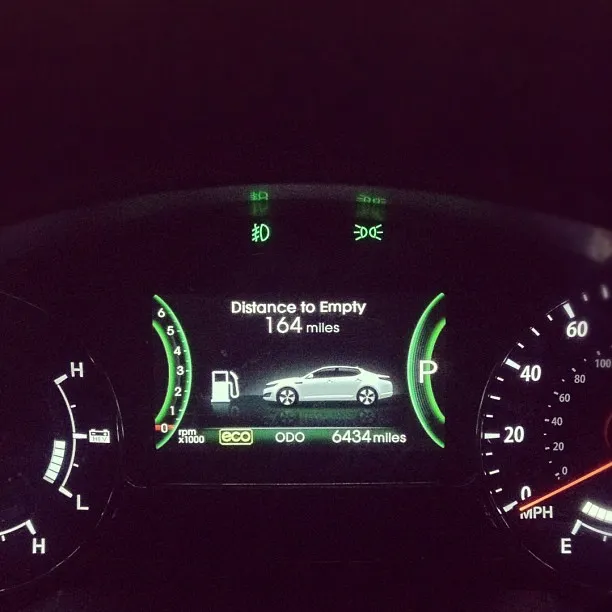
Fuel, charge and cables. The contract may say full tank or a set charge level. Photograph the gauge. For an EV, check the charging cables — home cable, public cable and any bag — and confirm they match what was ordered.
-
Extras and keys. Count the keys. Check mats, service pack, telematics, roof rack, tow bar electrics and any other item that appears on the quote.
What to photograph
Take a wide shot of each corner, close-ups of every mark, the odometer, the fuel or charge gauge, tyre sidewalls and each optional extra. Include the registration in at least one shot and keep the timestamp switched on. Photograph the delivery note before you sign it. If the driver will not note a defect, write 'defects reported by email today' next to your signature and send the email before you drive away.
What to put in writing
Email the leasing company and broker the same day. Be specific: 'nearside rear alloy, 3cm kerb scuff at 4 o'clock position'; 'windscreen chip below wiper line, passenger side'; 'offside rear door edge chip through paint'. Attach the photos. Ask them to confirm whether the defect will be rectified, recorded on file or accepted as pre-existing. Keep the reply with the lease documents.
What the leasing company is obliged to fix
This depends on the contract and the type of defect. Safety-related issues — a damaged tyre, a failed light, a cracked windscreen in the driver's line of sight — should be dealt with before you use the vehicle. Cosmetic defects that were present at delivery should be recorded so they are not charged back at handback. If the vehicle is materially not as ordered — wrong trim, missing tow bar, missing charging cable — that is a supply issue, not wear and tear. Report it immediately and do not rely on a verbal promise.
The handback connection
The best time to protect yourself at handback is delivery day. A dated photo set and an email trail turn a 'he said, she said' argument into a paper exercise. It also helps with maintenance: if tyres or brakes are flagged at delivery, get the maintenance provider's authorisation in writing before anyone touches them. Keep the delivery note with your lease file — if you are a sole trader or limited company, it is part of the evidence trail for business use and VAT records.
Delivery day is not the finish line. It is the start of the evidence file. Twenty minutes now can save a lot of haggling later.